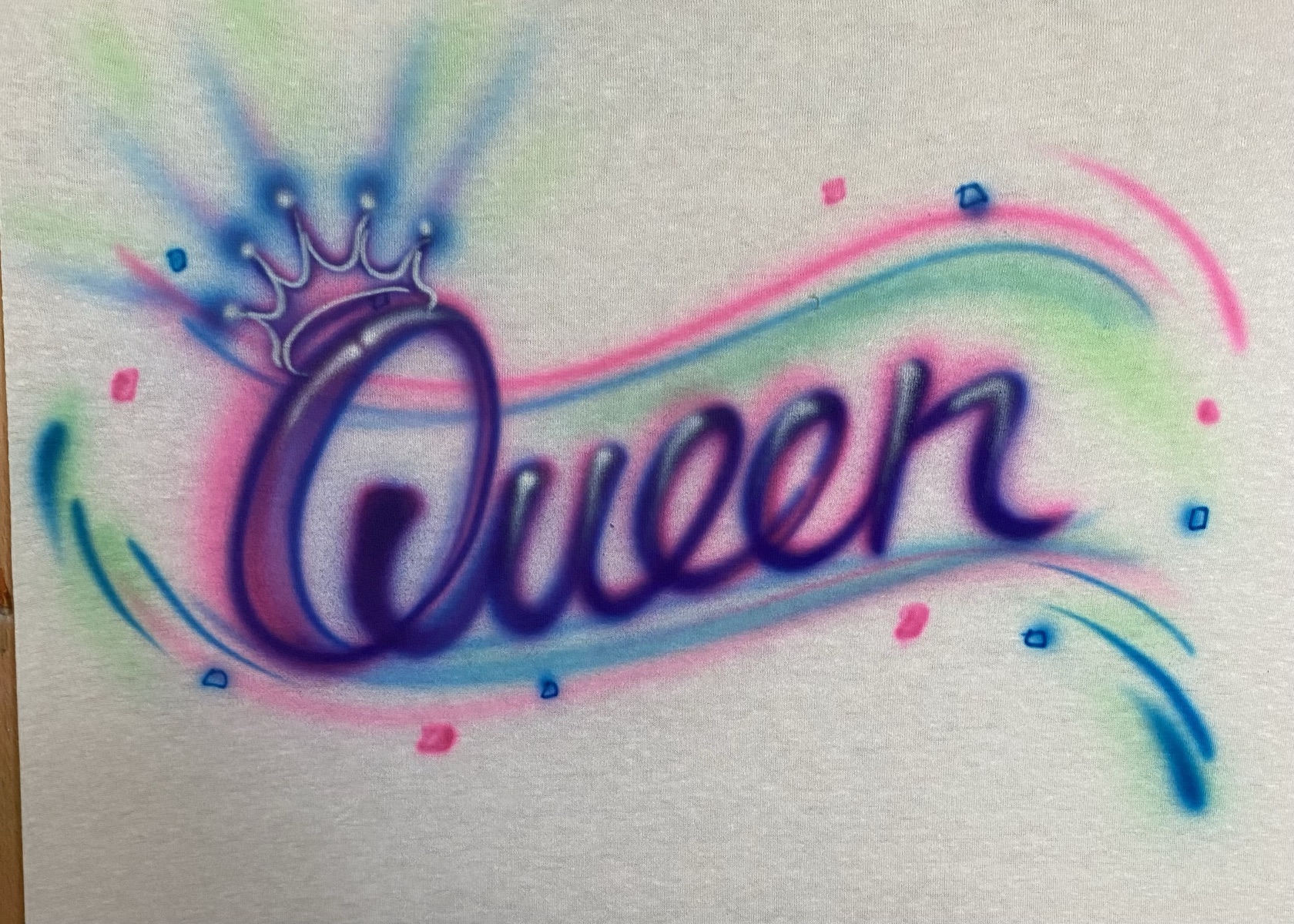
Queen, freehand
Private CollectionCommission something similar
Disciplines — The signature technique
No bristleNo contactBuilt in passes
Color arrives as a breath of pigment — held a hair off the surface, never touching it. Gradients that truly fade, photoreal depth, edges as clean as print. One control, carried across every surface Tina works.
Lay color down as a breath of pigment and everything changes. Tones melt into one another with no seam. Skin looks lit from within. A masked edge reads die-cut; a freehand fade has no hard line at all. It is the technique behind much of Tina's most photoreal work — and the one she returns to most.
Because the tool never touches what it paints, the same hand moves from a ceiling to a cheekbone to a leather jacket without changing its language. The brief sets the surface. The control stays the same.
Every piece is mixed and sprayed for you, one of one. Nothing is a transfer or a decal — the depth you see is built in passes, layer over translucent layer, until it sits the way only airbrush can.
Where the airbrush goes
Most artists keep airbrush in a single lane. Tina works it across all five — same gun, same control, only the prep and the seal change.
Up close
On the wall tonight
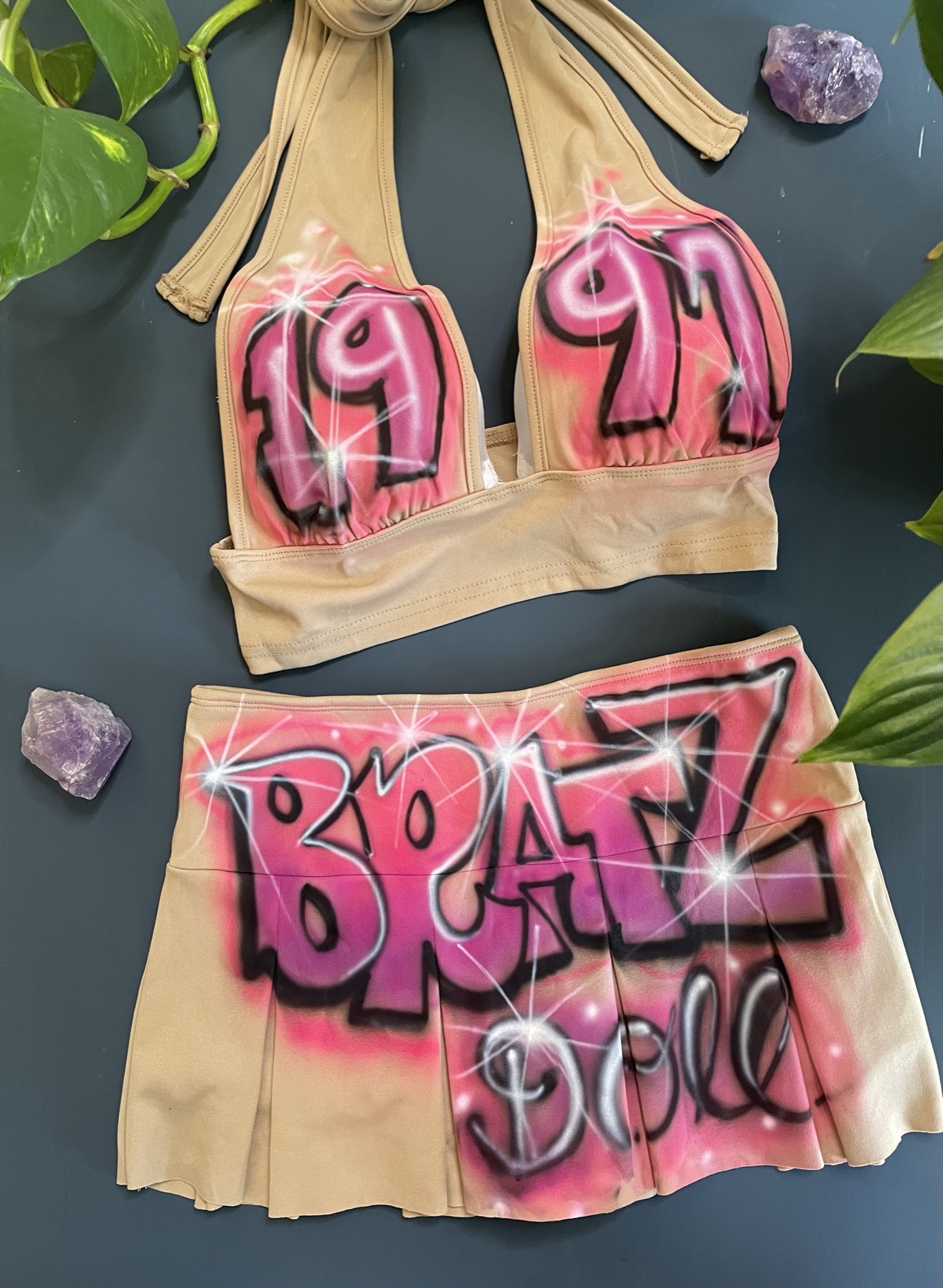
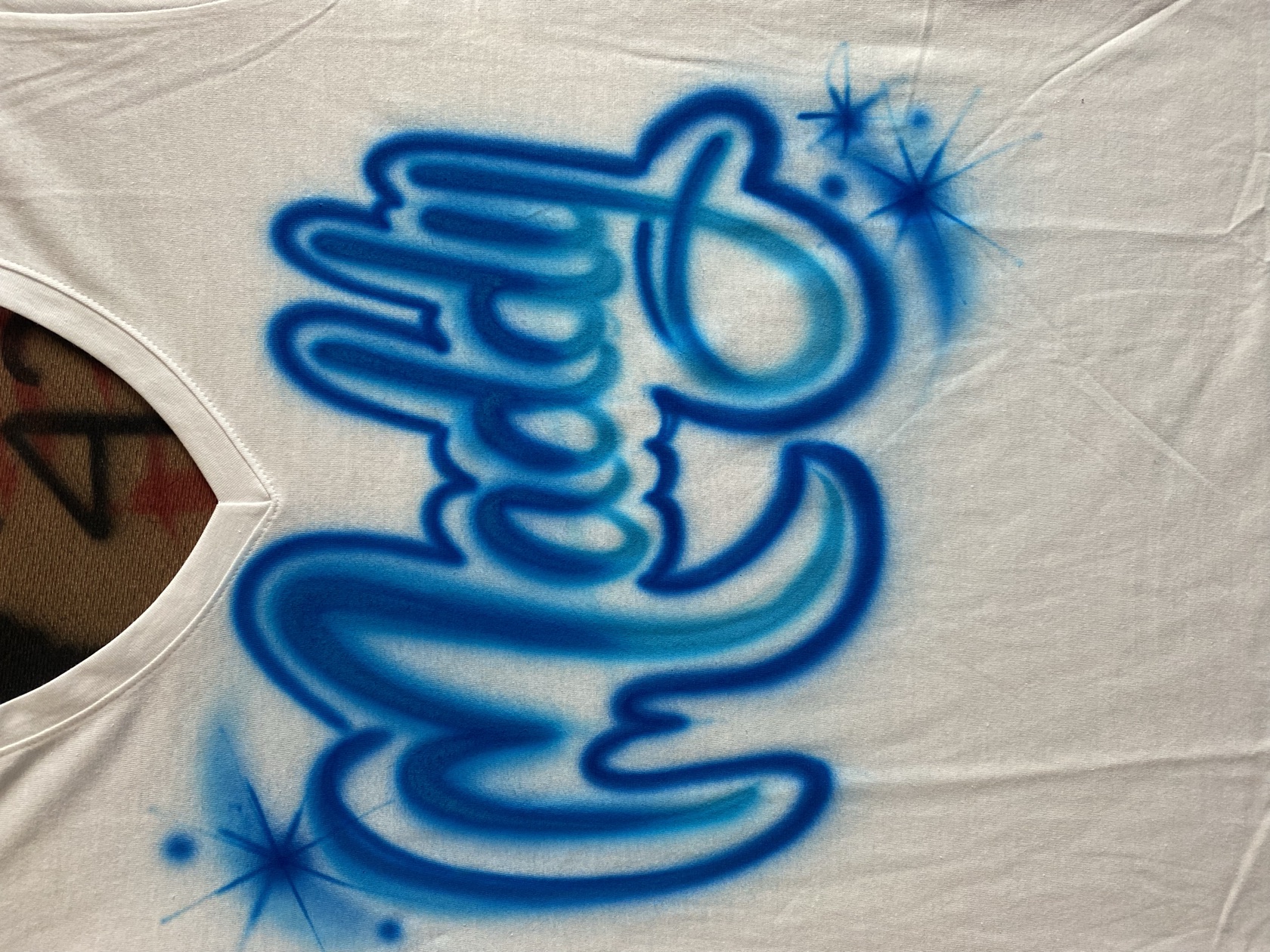
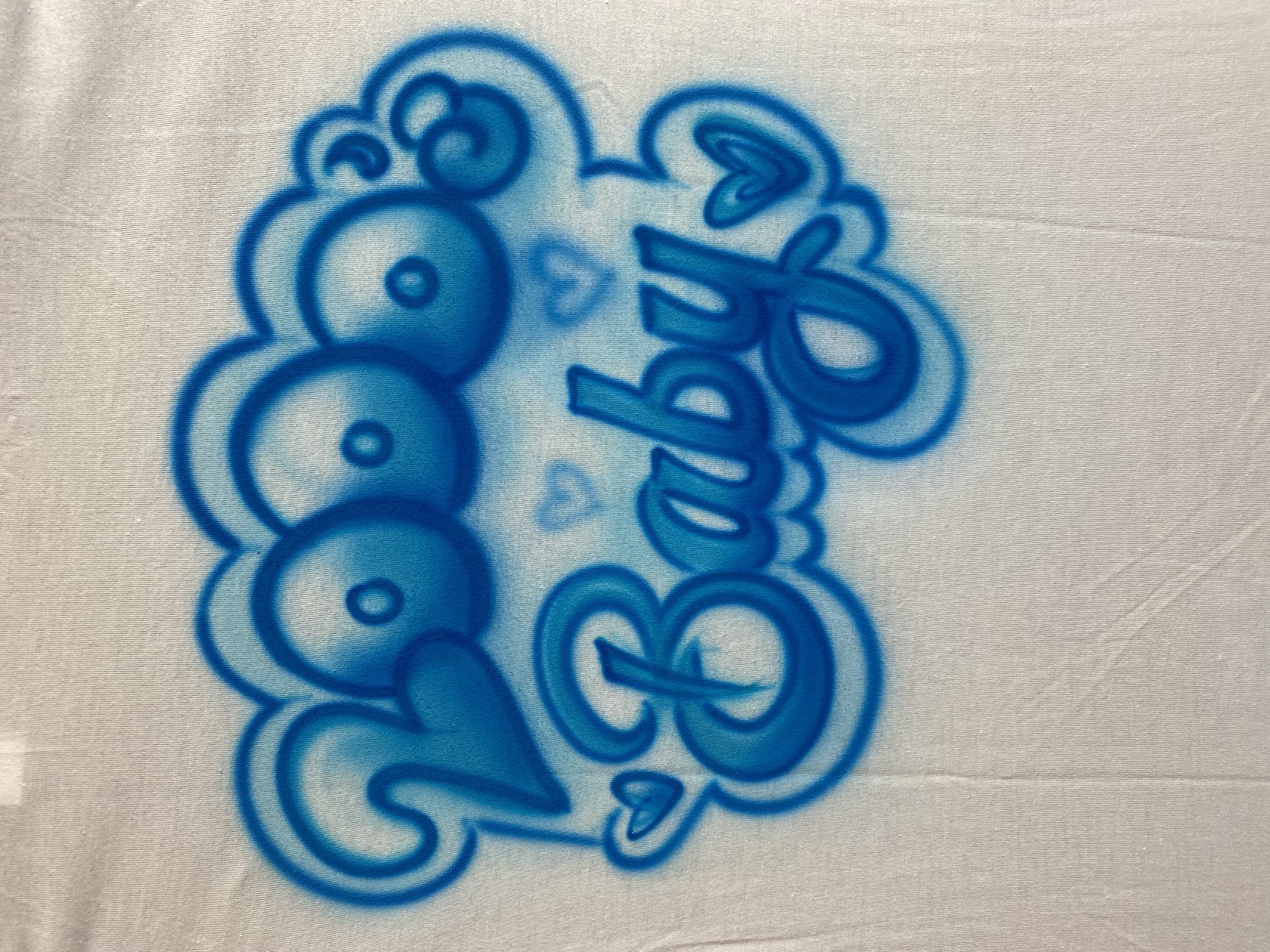
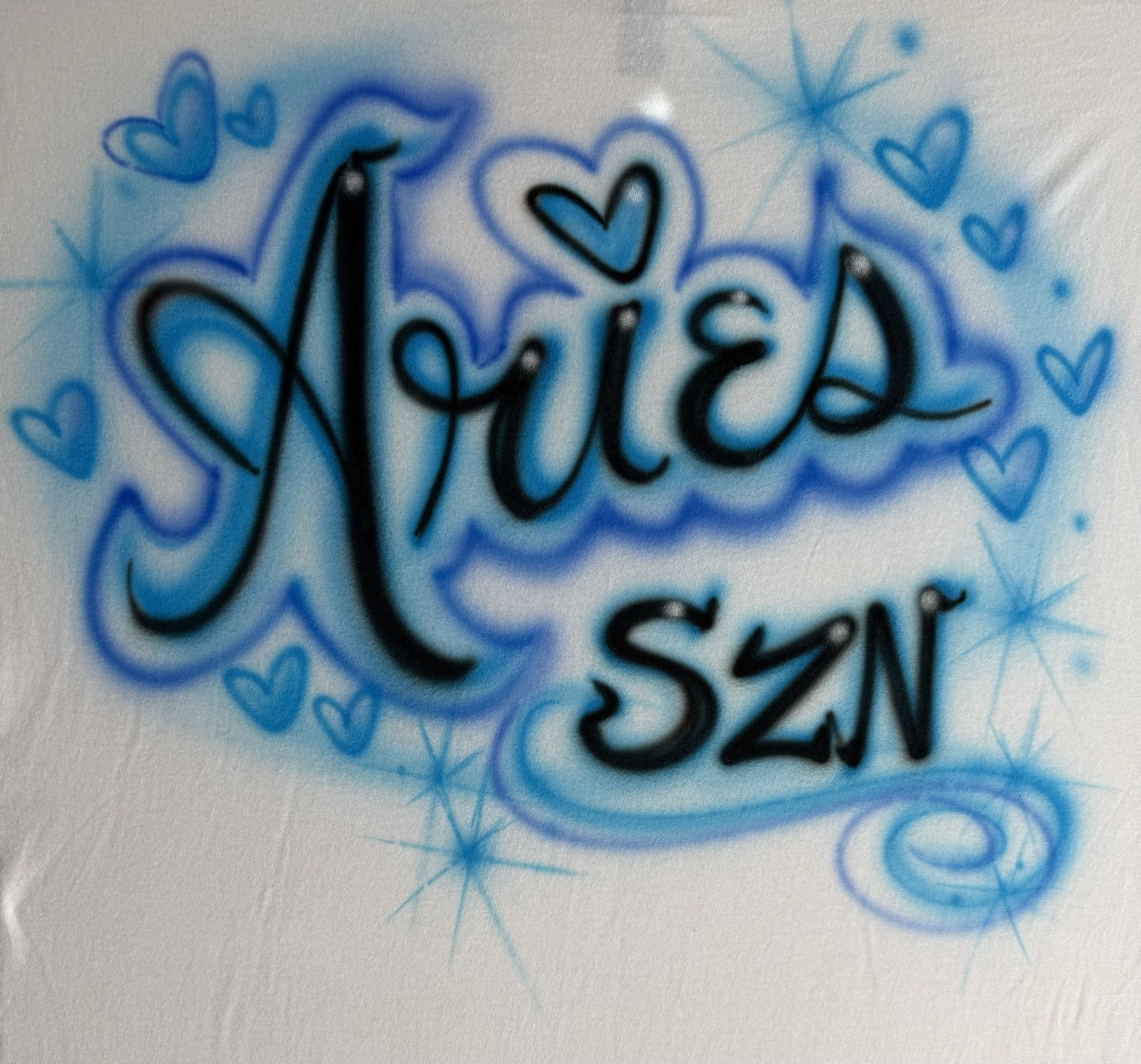
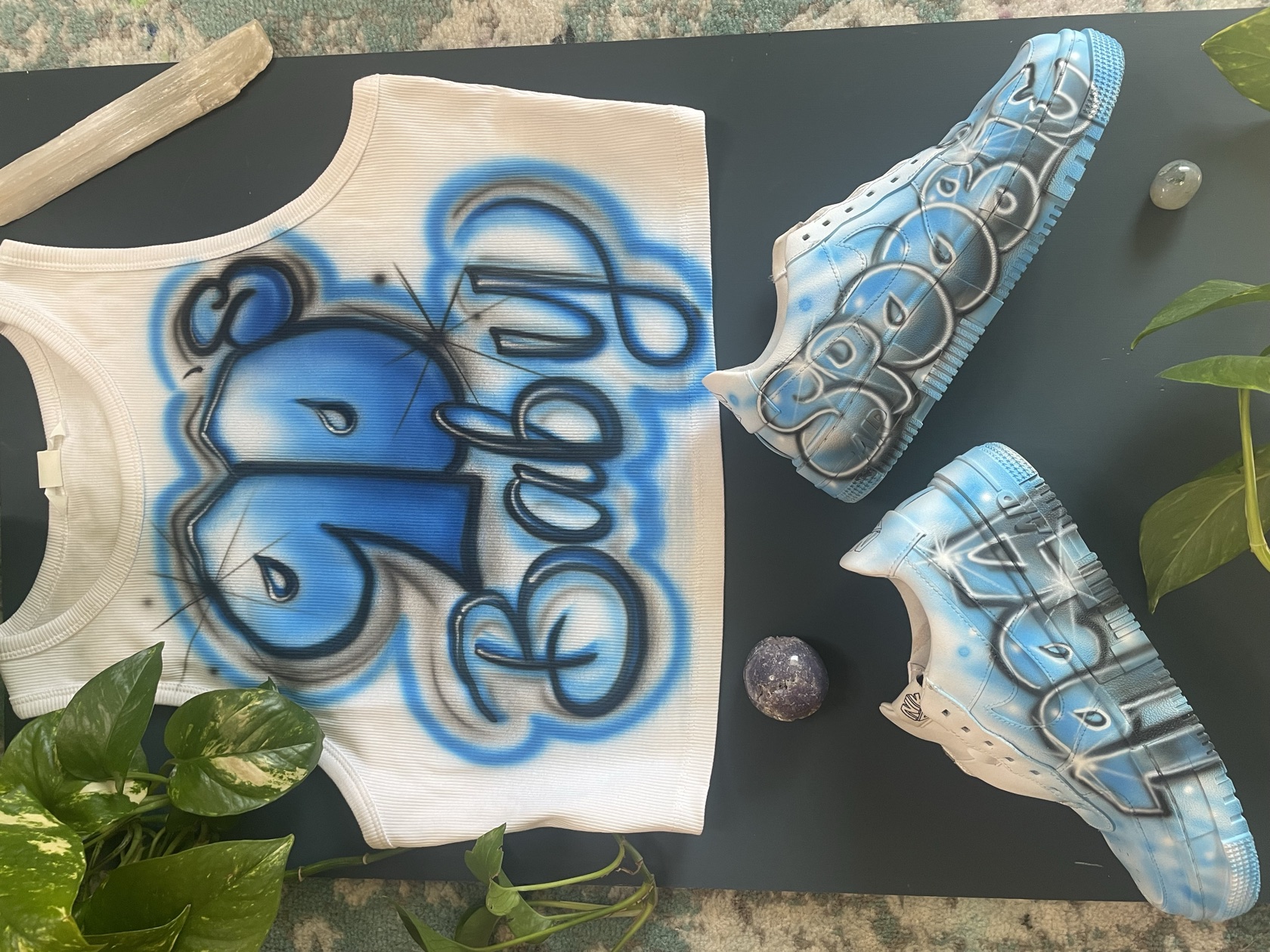
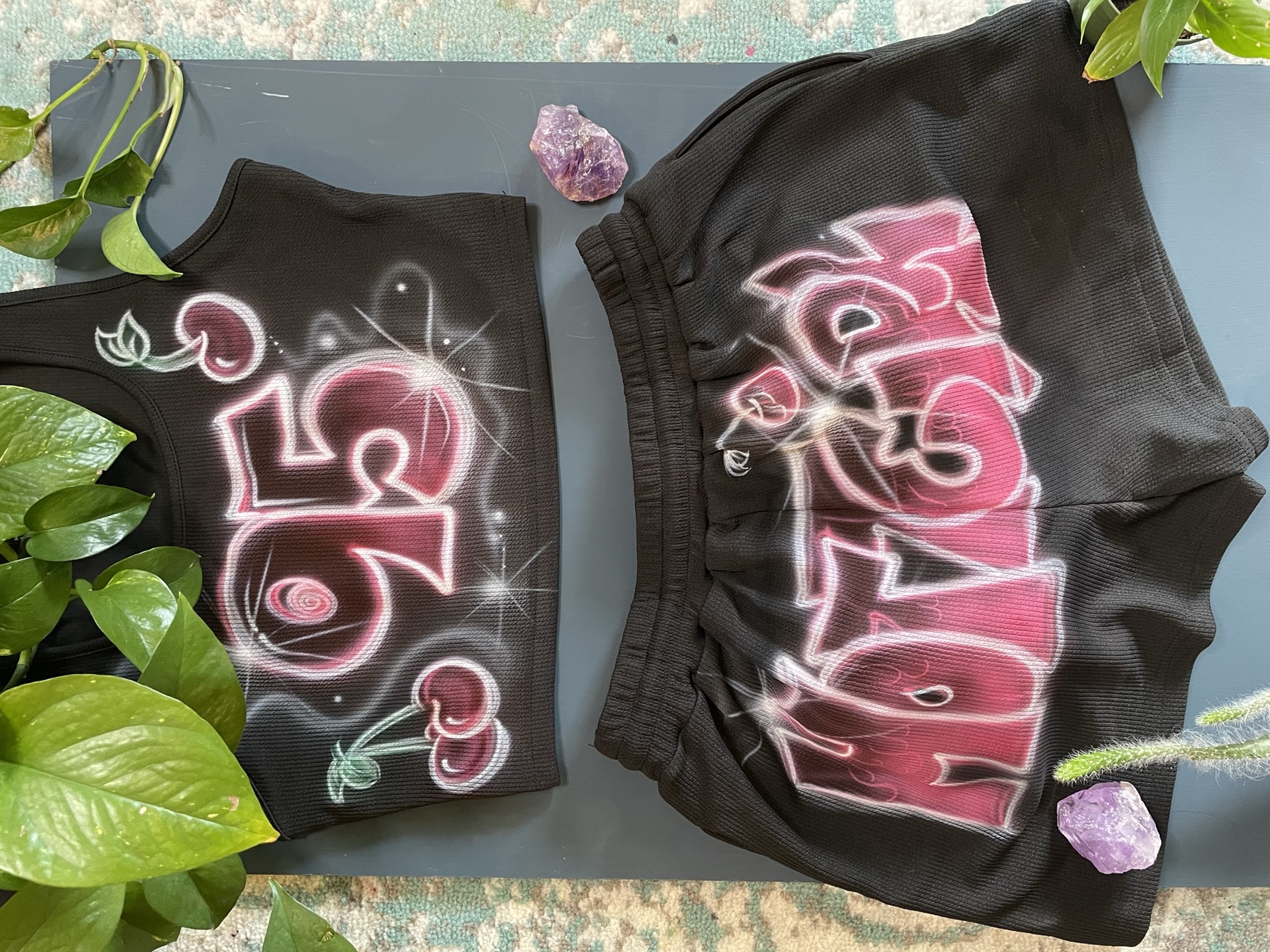
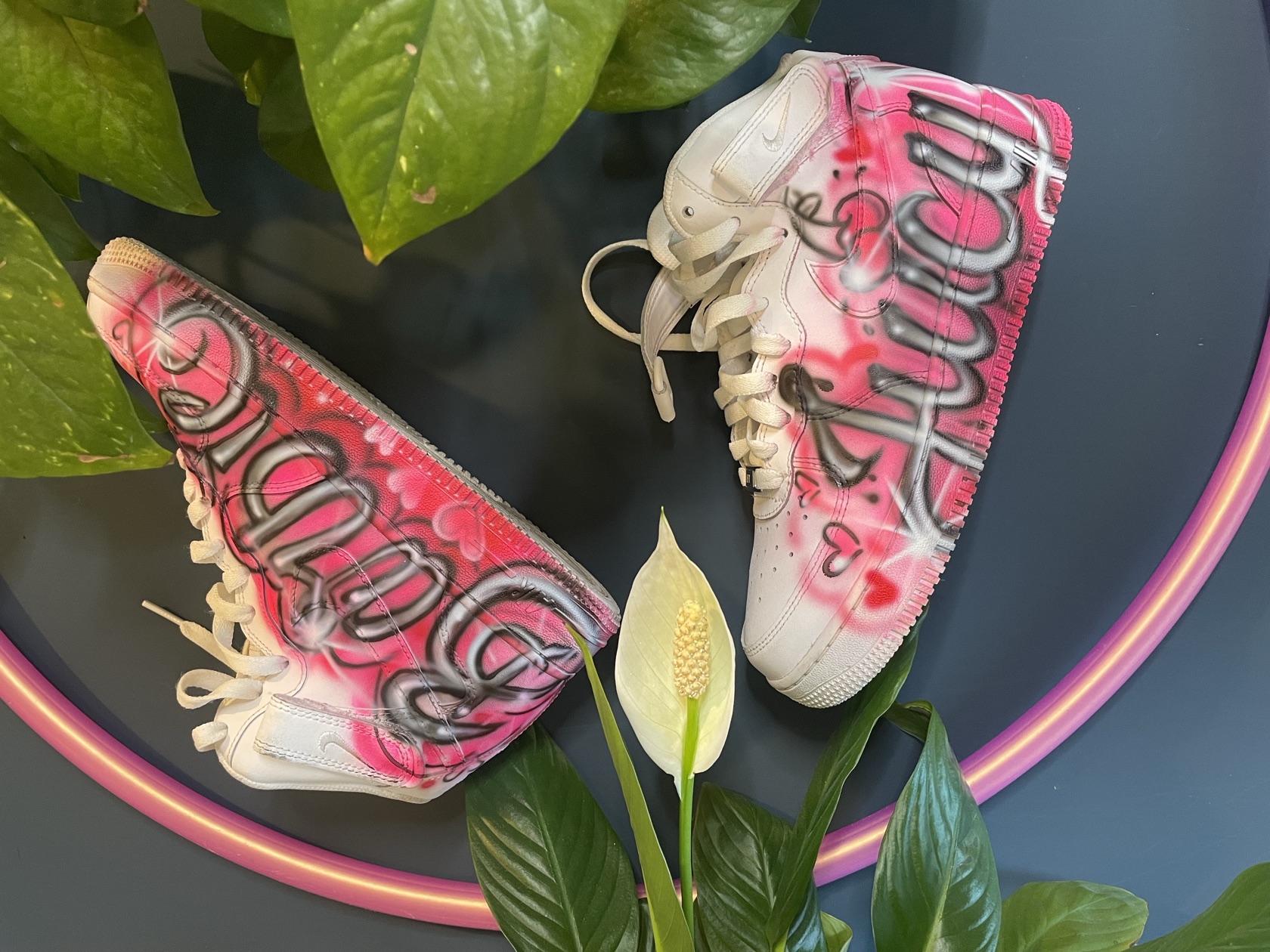
A few one-of-one commissions — hand-mixed candy color, bubble script and freehand flourish, sprayed straight onto the wearer's own piece. Each was made for someone; yours would be made for you.
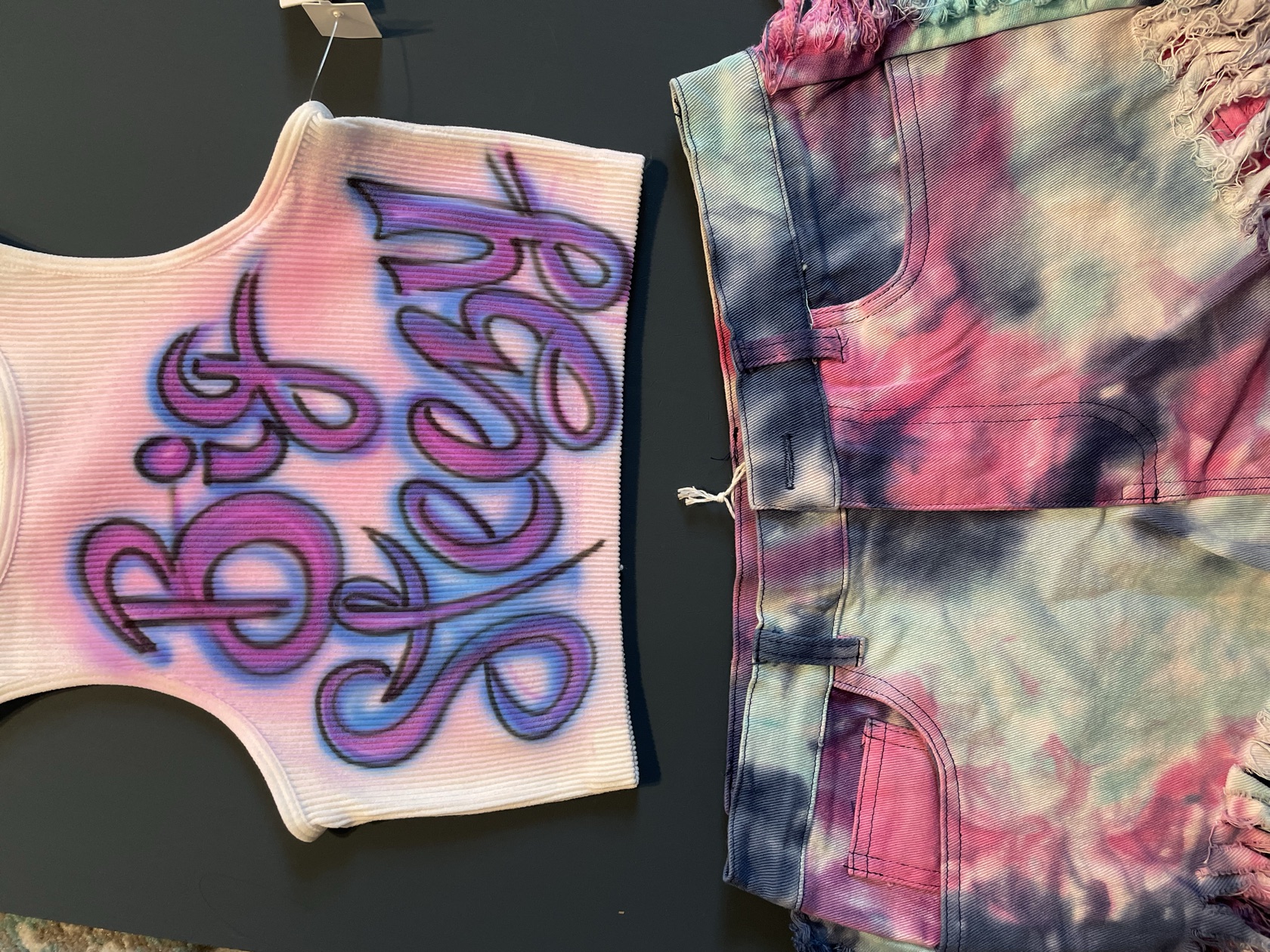
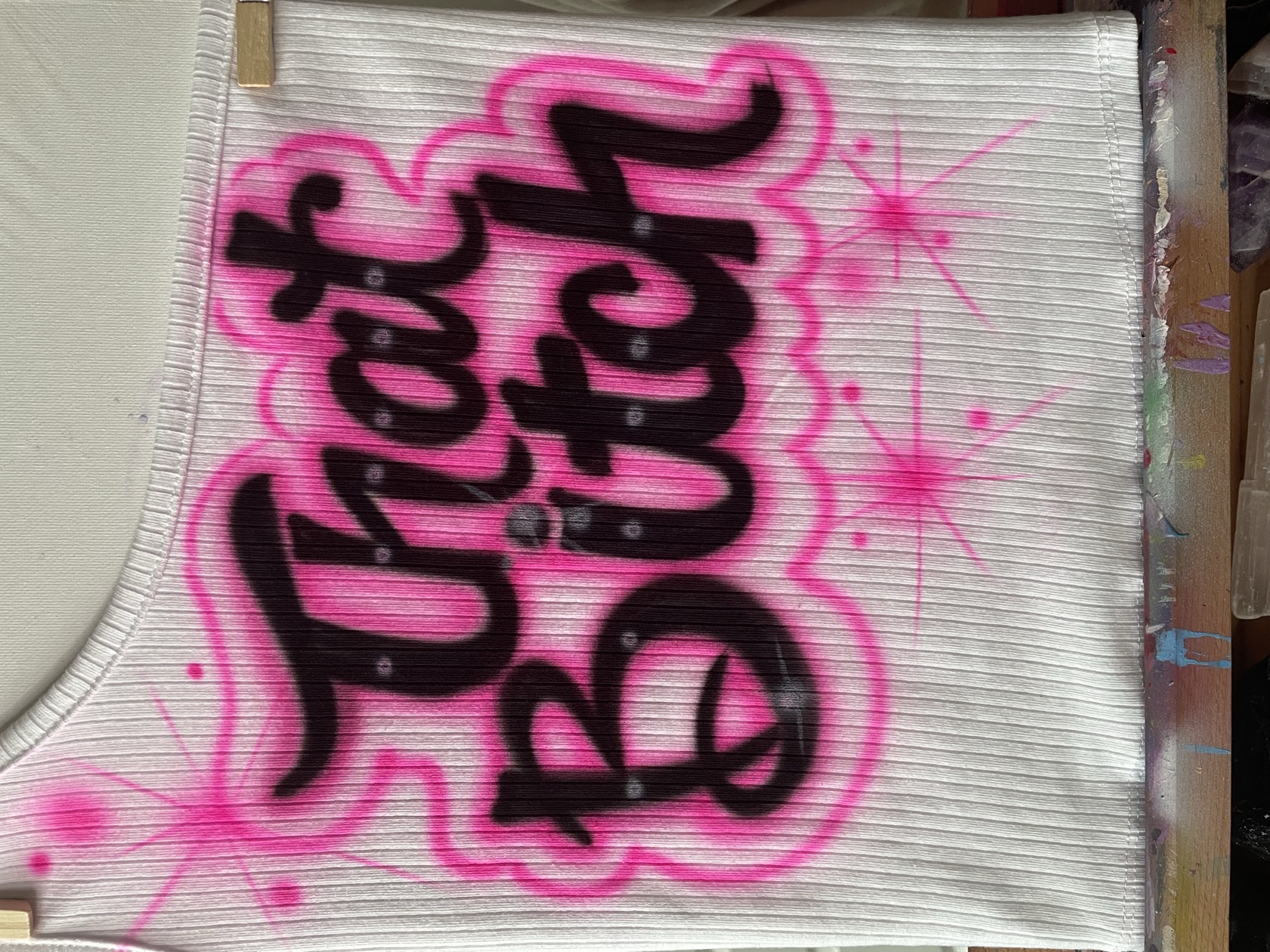
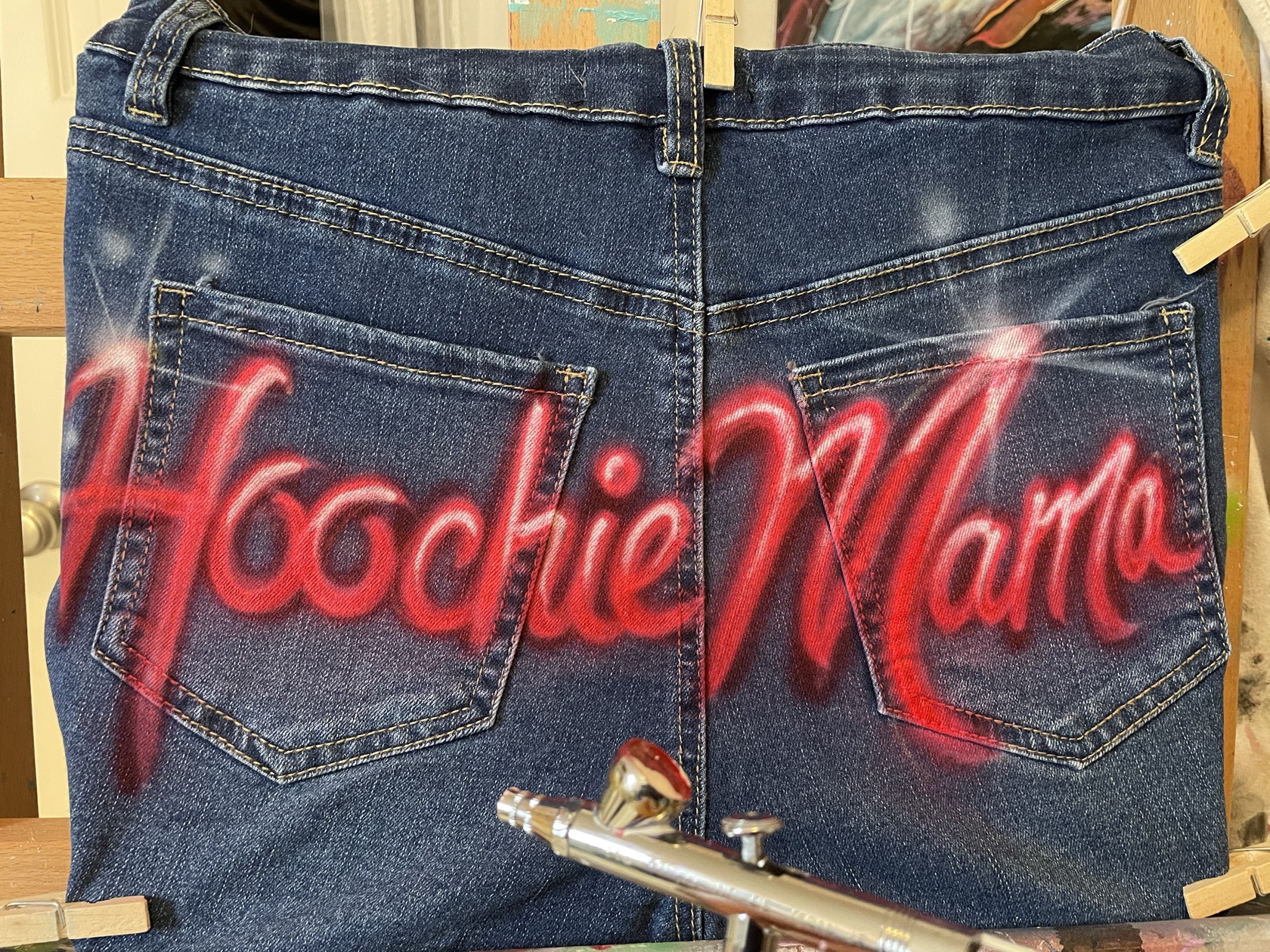
No two are alike — color is mixed by hand to your reference, and the piece is always your own.
More from the studio
Why the airbrush
Same artist, two tools. The difference is contact — and contact is everything.
Two ways it surprises people
The same gun does the most intimate work and the most durable — skin, and the object you keep.
On skin · airbrush makeup
Applied as a fine mist rather than worn on, it settles into an even, breathable layer — no cake, no visible texture, skin lit from within. Built for bridal and editorial, where it has to hold through a long day and read close-up on camera.
Custom objects · apparel & automotive
A jacket, a pair of sneakers, a helmet, a tank — color matched to your reference and built in translucent passes, then clear-coated or heat-set so it survives wear, washing and the road. Candy, chrome and faithful photoreal, one of one.
Design studio
Pick a piece, choose your colour, type your text and add a little art — watch it come together on the spot, then send the exact design to Tina for a quote. You supply the piece — a tee, hoodie, jacket, shoes, a helmet, even your car — and she airbrushes your design straight onto it.
Drag your text & art anywhere. Tap a layer to select it, then rotate, bend, resize or recolour below.
A preview to design with — you bring or ship the actual item; Tina airbrushes onto your own piece.
Air, not bristle ✦ built in passes ✦ a finish a brush can't touch
The gun never touches the surface — so the color belongs to the light, not the brush.Tina Cozart
Good to know
Almost any surface that can be cleaned and prepped — walls and ceilings, canvas, skin, garments and shoes, helmets and props, signage, and automotive panels. If you're not sure your object suits it, send a photo and we'll talk it through.
You supply the piece. Bring or ship your own tee, hoodie, jacket, denim, shoes, helmet or object, and Tina airbrushes your design straight onto it. The design studio mock-ups are only for visualizing your idea — the actual item is always yours.
Durability comes from the seal, and the seal is matched to the surface. Apparel and objects get a clear-coat or heat-set so color survives wear and washing; murals are sealed for their environment; automotive work is cleared like any custom paint. Each piece leaves with care notes specific to it.
It's applied as a fine mist rather than worn on with a brush or sponge, so it sits in an even, breathable layer that photographs without cake or visible texture — skin lit from within. It's well suited to bridal and editorial, where it needs to hold through a long day and read close-up on camera.
Those are custom paint jobs, so timing follows the design, the number of passes and full cure and seal time — rushing a clear-coat is how finishes fail. We set a realistic window once the scope is clear, and the schedule is part of your first conversation.
Yes. Color is mixed by hand to your reference, and photoreal subjects are built from the images you provide. Brand colors, a pet's likeness, a faithful logo — airbrush is built for that kind of precision.
Tell us the surface, the idea and roughly when you need it. Pricing is quoted per project after our first conversation, once the surface and scope are clear — there's no set menu, because no two commissions are alike.
Commissions & enquiries